
Protecting a Legacy: A Guide to Moving Fine Art and Antiques

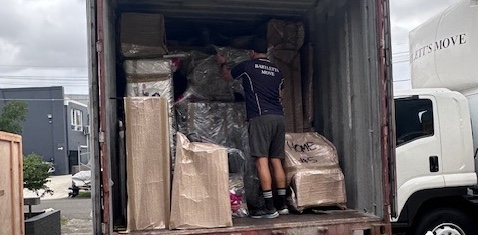
Moving house is one thing. Relocating a lifetime of collected art, a family’s heirloom antiques, or an entire gallery collection is another entirely. It’s a process where the value isn’t just monetary; it’s measured in history, sentiment, and cultural significance. You’re not just looking for a removalist; you’re searching for a custodian, a partner who understands that the real challenge isn’t lifting a box, but preserving a legacy.
Choosing that partner can feel overwhelming. Many claim expertise, but how do you verify it?
This guide is designed to give you clarity. We’ll pull back the curtain on the science and meticulous planning required to move irreplaceable items. We’ll provide the framework you need to assess potential partners, ask the right questions, and make a decision with complete confidence. Because when your collection is on the line, peace of mind is the only acceptable outcome.
A Transparent Look at Specialist Moving
One of the first questions on anyone’s mind is cost. In the specialised fine art moving market—a sector valued at over $3 billion globally—pricing isn’t as simple as an hourly rate. It’s a detailed calculation based on risk mitigation and bespoke care. A transparent quote should break down exactly what you’re paying for.
While every move is unique, the costs are driven by several key factors:
- The Collection Itself: The size, fragility, and value of each piece directly influence the packing materials, crating solutions, and insurance required.
- Transit & Logistics: The distance of the move, the type of vehicle needed (e.g., with climate control and air-ride suspension), and any access challenges at either end play a significant role.
- Level of Service: This ranges from simple transport to a full white-glove service including professional packing, custom crating, unpacking, installation, and debris removal.
- Specialised Care: Requirements like climate and humidity control, vibration monitoring, or the need for conservator-led disassembly of antique furniture will be itemised.
Understanding these components empowers you to compare quotes not just on price, but on the value and level of protection being offered. It’s about investing in a guaranteed outcome rather than simply paying for a service.
The Science of Environmental Preservation
True environmental preservation during transit is a science, one that addresses the hidden dangers of temperature and humidity fluctuations.
For instance, a painting moved from a stable gallery environment into a standard truck, even on a mild day, can experience rapid changes. This “thermal shock” can cause paint layers to expand and contract at different rates, leading to cracking and delamination. Similarly, antique wooden furniture can warp or its joinery can fail when exposed to a sudden drop in humidity.
This is where genuine expertise makes a difference. It’s not about just keeping things “cool”; it’s about maintaining a precise, stable environment tailored to the specific materials in your collection.
Microclimate Engineering: The Crate as a Protective Bubble
The first line of defence is often the crate itself. Advanced packing techniques create a stable microclimate inside each container. This involves:
- Vapour Barriers: Using materials like Tyvek or poly sheeting to line crates, preventing external moisture from getting in.
- Desiccants & Buffers: Strategically placing calibrated silica gel or specialised conservation materials to absorb or release moisture, actively managing the relative humidity (RH) inside the crate to a specific, stable percentage.
- Insulation: Employing high-grade, inert foam to buffer against external temperature changes, slowing down any thermal transfer during loading or transit.
Real-Time Monitoring: Verifiable Protection
How can you be sure these conditions are maintained? The answer lies in technology. Modern fine art logistics can use discreet, calibrated IoT sensors placed inside the crates or the vehicle. These devices track temperature, humidity, shock, and vibration throughout the entire journey. This isn’t just for reassurance; it provides an auditable data log that proves your collection was kept within its specific, safe environmental tolerance band from start to finish.
When evaluating a moving partner, ask them to explain their specific protocols for mitigating thermal shock and how they verify environmental stability. The depth of their answer will reveal the true level of their expertise.
Choosing the Right Packing & Crating
The decision between a soft wrap and a custom museum-grade crate can feel complex. The right choice depends entirely on the object’s fragility, value, and the nature of the journey. A professional consultation should walk you through these options, explaining the benefits and applications of each.
Here’s a look at the typical hierarchy of protection:
- Travel Frames: Ideal for sturdy, framed artworks on shorter, direct journeys. A travel frame protects the corners and face of the painting and provides a rigid structure for handling without needing a full crate.
- Slotted Crates: A highly efficient solution for moving multiple paintings of a similar size. Each artwork slides into a padded, felt-lined slot, ensuring no contact or abrasion while optimising space.
- Custom Museum-Grade Crates: The ultimate standard in protection. These are engineered specifically for a single object, featuring custom-cut foam bracing, vibration dampening mounts, and often a dual-crate system (a crate within a crate) for maximum shock and climate insulation. All timber used is ISPM 15 certified for international transport.
The materials used are just as important as the structure. All surfaces that contact your artwork or antique should be made of acid-free, inert materials like archival glassine paper, Tyvek, or chemically stable polyethylene foam to prevent any chemical reactions or abrasion to delicate surfaces. If you require it, our team provides comprehensive professional packing and unpacking services tailored to your collection.
The Special Case of Antique Furniture
Moving antique furniture presents unique challenges. Unlike a static sculpture, pieces like grandfather clocks or mahogany dining tables often have complex joinery, delicate veneers, and intricate mechanisms that were never designed to withstand the dynamic forces of road transport.
A specialist approach involves a methodical process:
- Assessment & Documentation: Before anything is touched, a condition report is created with detailed photographs. A plan for disassembly is mapped out in consultation with furniture conservators if necessary.
- Meticulous Disassembly: Each component is carefully disconnected, labelled, and wrapped individually, paying special attention to protecting venerable joinery and delicate finishes.
- Secure Packing: Components are packed into custom crates or boxes with tailored bracing to prevent any movement or stress during transit.
- Expert Reassembly: Upon arrival, the process is reversed with precision, restoring the piece to its original state in its new home.
This level of care ensures that a piece that has survived for centuries is not compromised in a matter of hours on the road.
Frequently Asked Questions
Is my small collection valuable enough for this level of service?
Value is subjective. If an item is irreplaceable to you—whether it’s a child’s first painting or a priceless heirloom—it deserves professional protection. We tailor our services to the specific needs of your items, not just their market price.
How does insurance work for fine art moves?
Standard removalist insurance often doesn’t cover the full value of fine art and antiques. Specialist movers should offer comprehensive transit insurance options that are underwritten based on current valuations of your pieces. Always ask for a certificate of currency and read the policy details carefully.
What makes you different from a standard removalist company?
It comes down to three things: specialised training, specialised equipment, and a specialist mindset. Our teams are trained in art handling techniques. Our trucks are equipped with air-ride suspension and climate control systems. And our entire process, from the first phone call with our family-run team to the final placement of your piece, is built around risk mitigation and preservation. It’s a different discipline entirely, refined over our nearly 40 years of experience. For items that may not travel with you immediately, we also offer [secure, climate-controlled storage solutions].
Can you handle oversized or uniquely shaped sculptures?
Absolutely. Moving large-scale works is an engineering challenge we thrive on. It involves detailed logistical planning, custom rigging and crating solutions, and coordination for specialised equipment like cranes. We assess each piece individually to engineer a bespoke moving plan.
Your Next Step to a Secure Move
Choosing a partner to move your collection is a decision built on trust. That trust is earned through transparency, proven expertise, and a genuine understanding of what’s at stake. At Bartlett’s Move, our family has been helping collectors and families protect their legacies since 1985.
We invite you to have a conversation with us. Let’s discuss the unique needs of your collection. We can provide a detailed, no-obligation quote that clearly outlines our recommended approach and the specific measures we’ll take to ensure your treasures arrive safely.